Postcards
This isn't a page about photography. It's about the fieldwork — the trips, the practices, the places that reset how we see. Lamu was one of those. If that's the kind of looking you want to follow, you're in the right place.
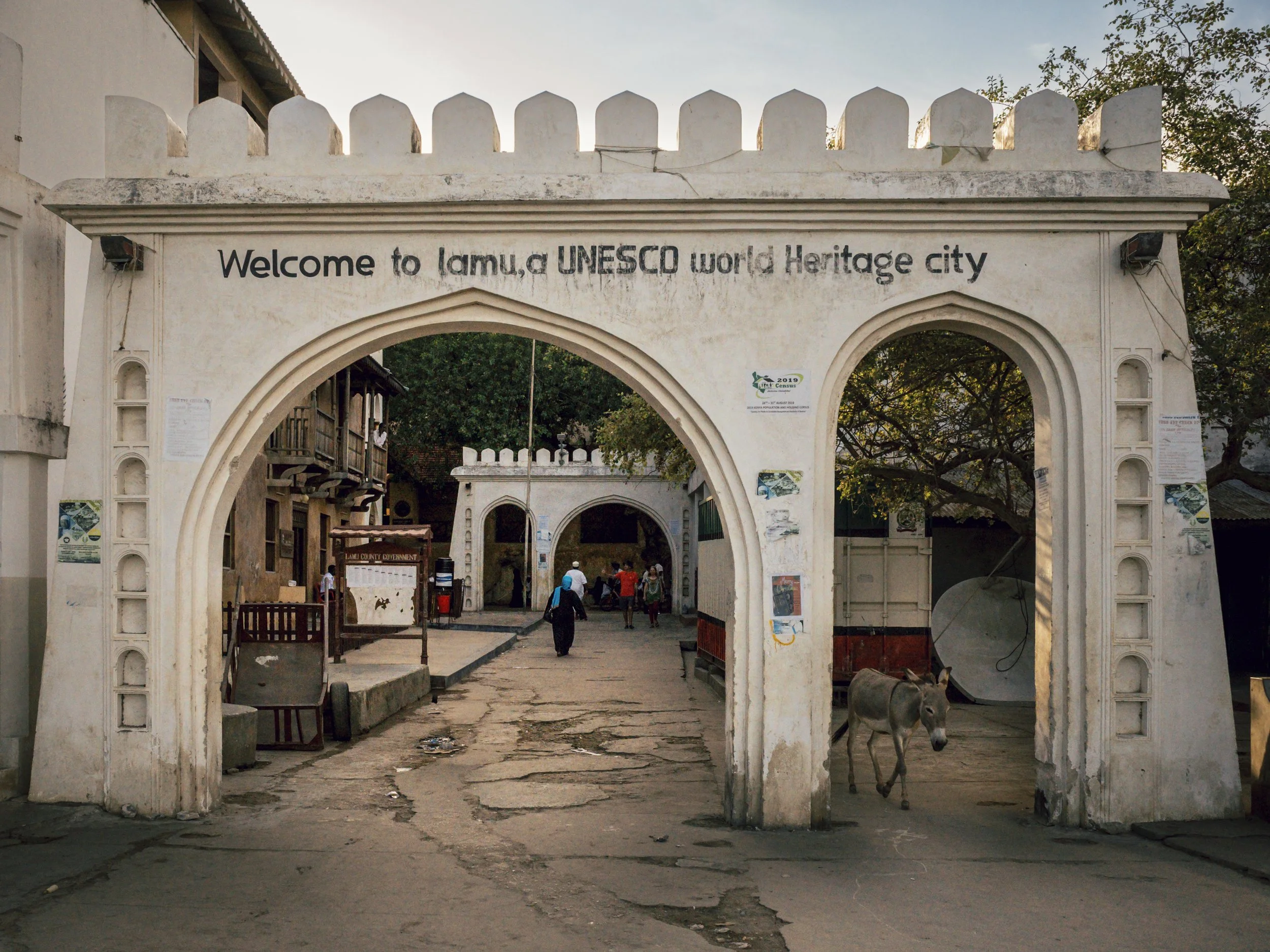
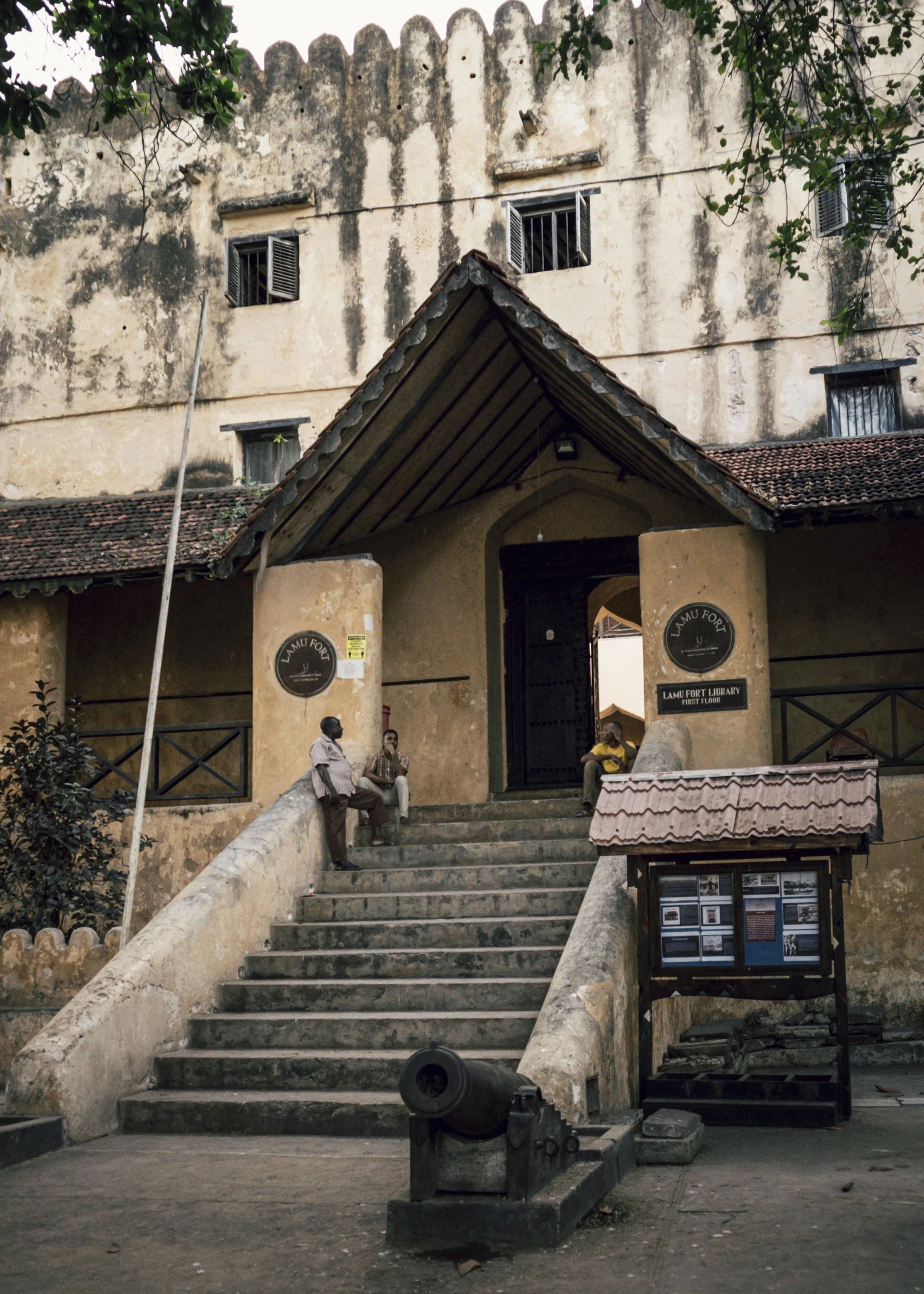
Lamu Old Town - Kenya 2021
Kenya has over 40 languages! The most widely spoken language is Swahili, the national language. ‘Undugu’ means a sense of community, kinship, and being connected as fellow human beings.
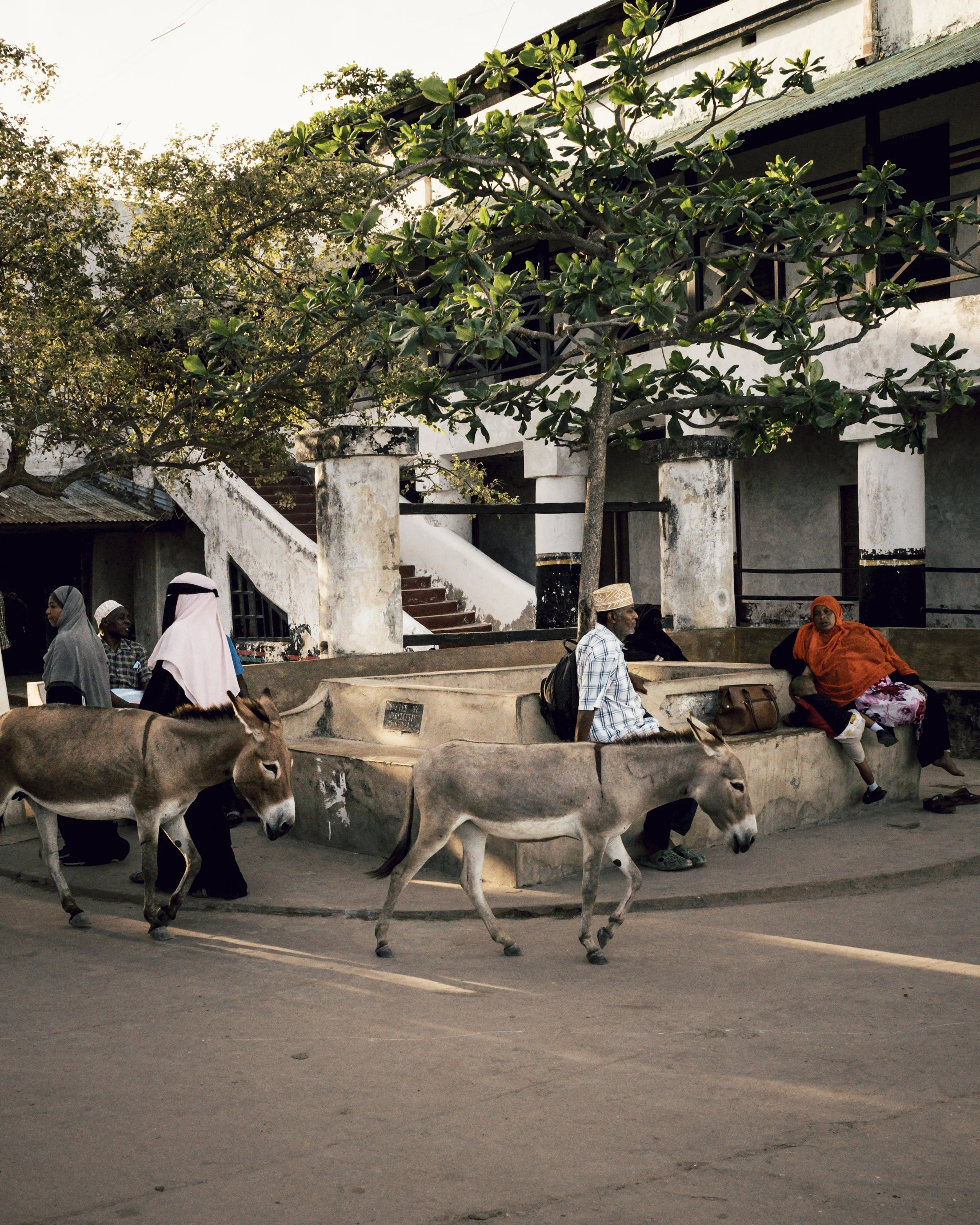
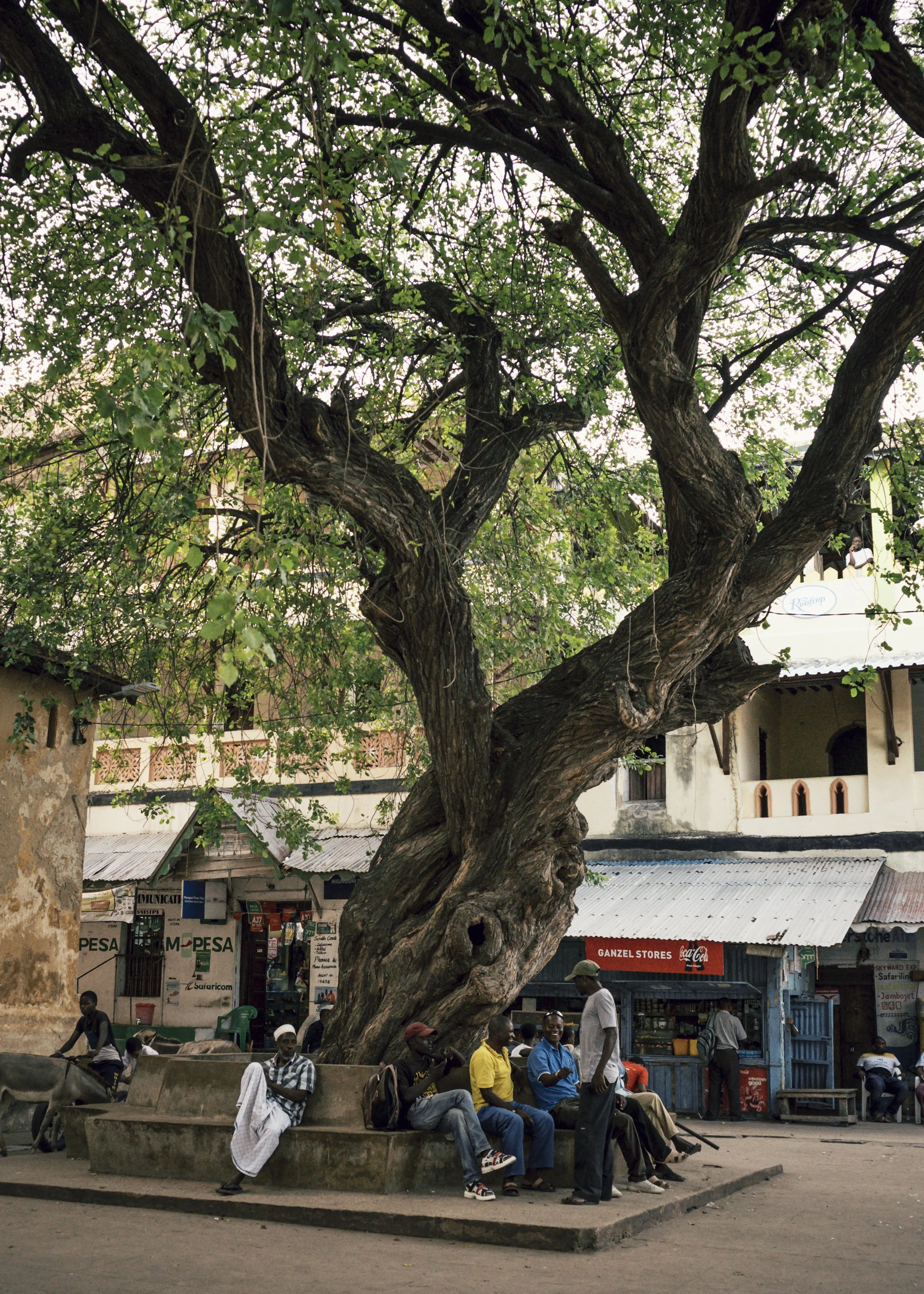
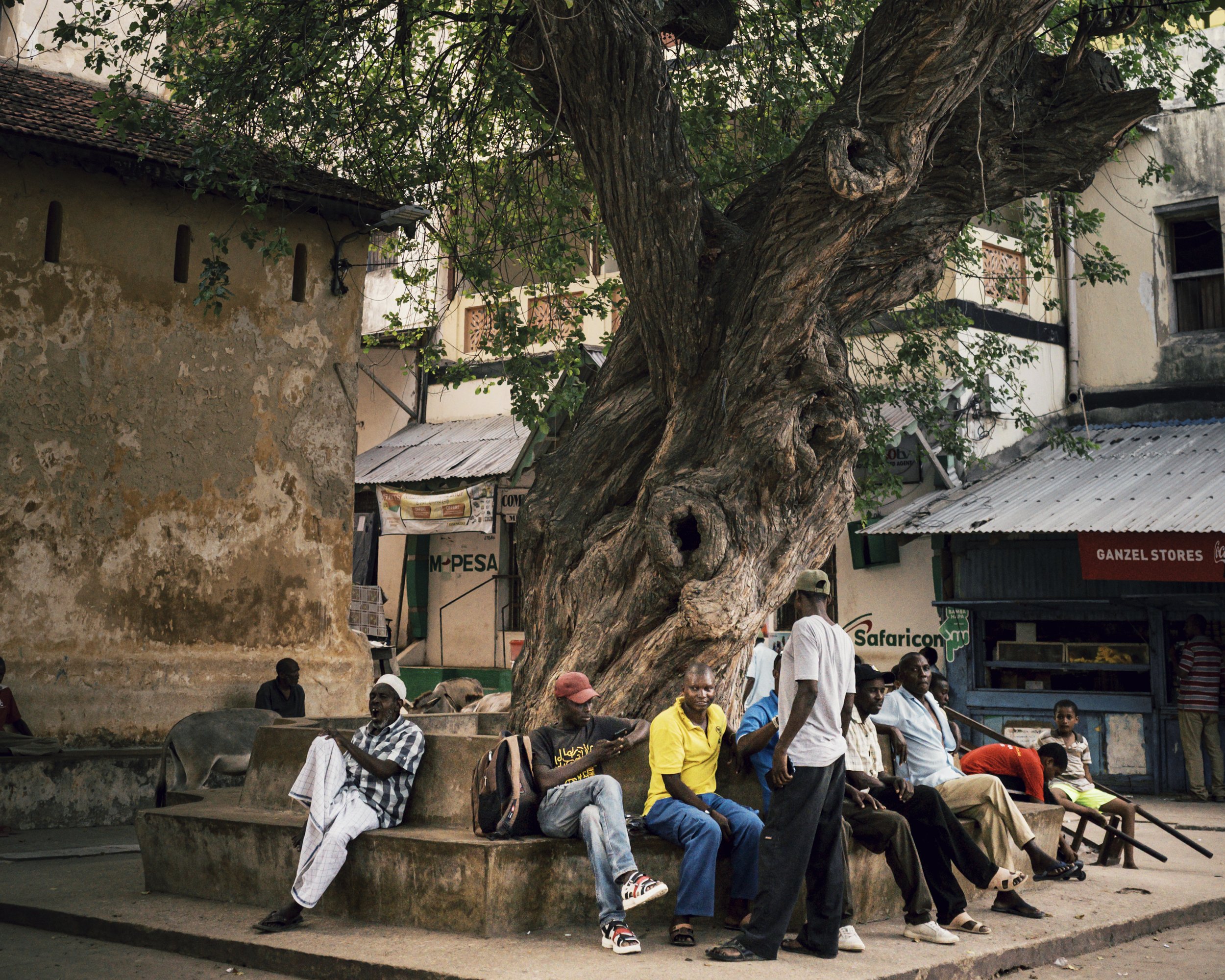
The image was captured in the town square of Lamu Old Town, a UNESCO World Heritage site and the oldest continuously inhabited Swahili settlement in East Africa. What drew me to this location wasn't its historical designation or architectural significance, but something more fundamental: the way people still use this space to simply be with one another.
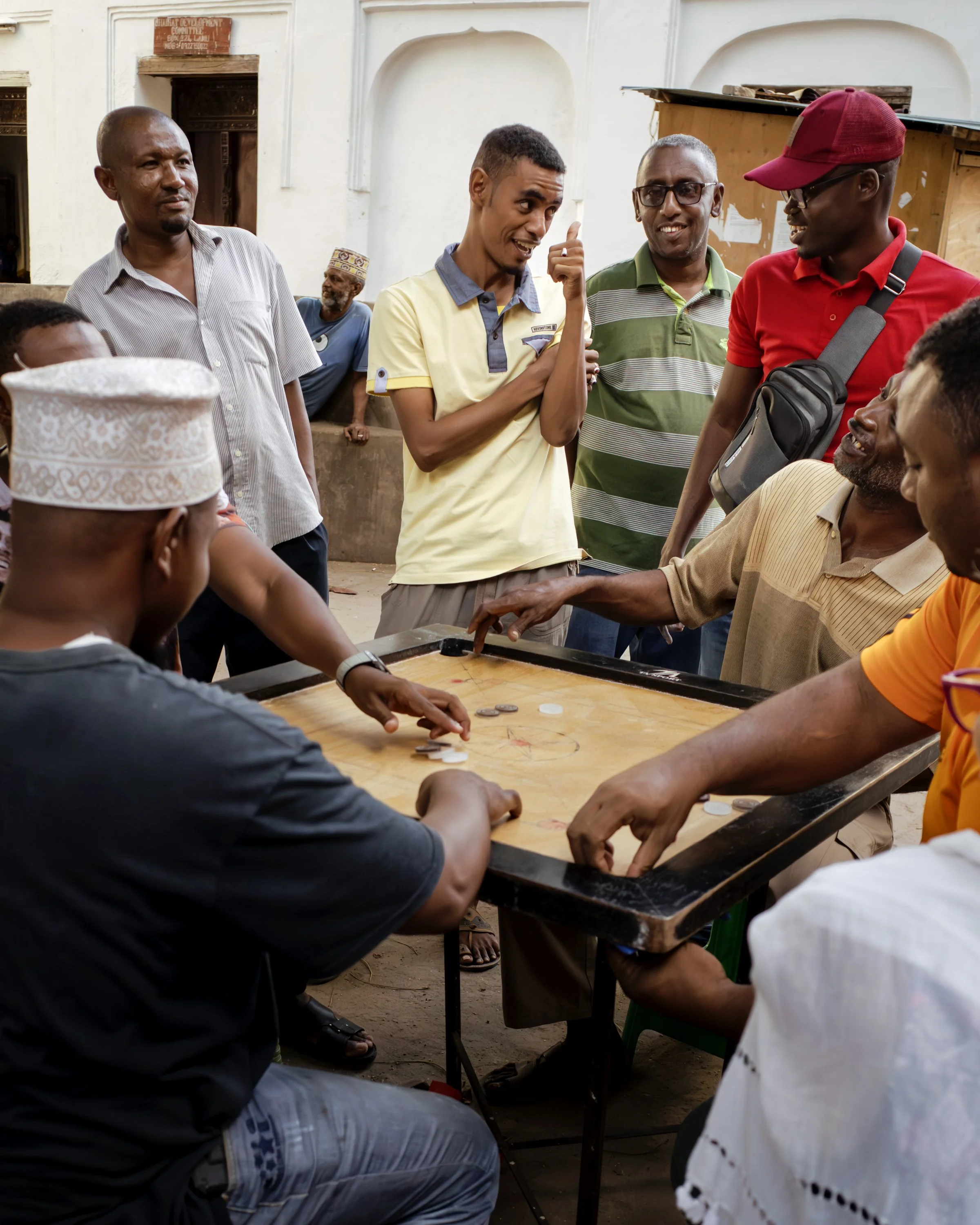
Connection, as a theme, can feel abstract until you watch it unfold in real time. In these images, the square becomes a stage where countless small acts of human engagement play out simultaneously. A vendor arranges goods under faded umbrellas. Men gather around makeshift tables, engaged in conversation or games. A woman in a pink hijab crosses the frame, perhaps heading home or meeting someone. A yellow bicycle waits. Storefronts with corrugated metal roofs frame scenes of commerce and rest. None of these moments was orchestrated—they simply existed in the same place, at the same time, creating a tapestry of interdependence.
What strikes me most about these scenes is how natural the connection happens when space allows for it. The square serves no single purpose; it's simultaneously a marketplace, a meeting place, a thoroughfare, and a living room. This flexibility invites people to linger, to pause, to engage. The man seated alone at his table isn't isolated—he's part of a larger ecosystem of presence. The merchant under the umbrella isn't just selling; she's maintaining a post in the community's daily rhythm.
I see the "many" connections we might easily overlook if we moved too quickly through the frame. The architectural layers—colonial-era buildings, traditional Swahili structures, improvised shelters—tell stories of adaptation and resilience across centuries. The variety of activities occurring simultaneously speaks to economic interdependence: one person's livelihood depends on another's presence, which depends on the square itself remaining accessible.
But there's something more profound here that relates to our contemporary moment. We live in an age obsessed with connection, yet increasingly disconnected from physical place. We can reach anyone, anywhere, instantly—yet we're losing the art of simply sharing space. Lamu's town square offers an alternative model: connection as a byproduct of proximity, of shared infrastructure, of showing up in the same place regularly enough that relationships form organically.
The square hasn't always served the community equally—it carries complicated histories of power and displacement. Yet these images capture something essential about human resilience: given space to gather, communities will rebuild the connections that sustain them. The vibrancy here isn't manufactured or nostalgic—it's evidence of people choosing, daily, to maintain the social fabric through small, ordinary interactions that accumulate into a community.
These photographs ask viewers to consider what makes connection possible. It's not just technology or intention—it's space, time, and the willingness to show up where others show up. Every hand cart, every conversation under an umbrella, every person crossing the square contributes to an infrastructure of belonging that's as vital as water or electricity. The connections don't need to be created—they need to be noticed, valued, and protected.
These photographs capture a single moment in Lamu's centuries-long story, but they speak to something timeless: our fundamental need to gather, to see and be seen, to participate in the mundane miracle of shared existence. In a world that often feels fragmented, the square reminds us that connection isn't something we've lost—it's something we choose to create, every day, through the simple act of being present with others.